


Rural Ionia Using Ford E-Transit as Transportation Solution
Rural communities often face significant transportation challenges, but local initiatives like Ionia Dial-A-Ride are making strides to close these gaps. Ionia, Michigan, although the largest city and county seat of Ionia County, retains a small-town atmosphere with a population of approximately 13,000. Despite its size, the need for accessible and reliable transportation in Ionia is crucial.
Ionia Dial-A-Ride, a service provided by the City of Ionia, offers low-fare rides within the city limits and surrounding townships. Unlike traditional transit systems, Dial-A-Ride operates on a demand-response basis, meaning there are no fixed routes or stops. Riders simply call to schedule curb-to-curb trips in one of the service’s 11 vehicles. This flexible approach has made Dial-A-Ride an essential service for many residents.
“Some people walk to the edge of our service area to get transport,” explained Heidi Wenzel, Director of Ionia Dial-A-Ride. “Others move into our community specifically to have this service available to them.”
For many in Ionia, Dial-A-Ride is a lifeline. The service is used for a variety of essential trips, including non-emergency medical appointments, work commutes, grocery shopping, and banking. It also plays a significant role in transporting students to school and extracurricular activities, as well as providing older adults with access to social events and activities.
“Dial-A-Ride is a living necessity for so many community members,” said Wenzel. “They use it for non-emergency medical and work transit, as well as getting to the grocery store and the bank. We transport students to school and other activities, as well as many older adults to social activities.”
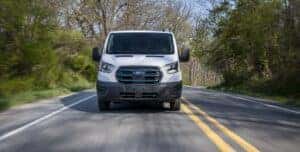
To better serve the community and reduce its carbon footprint, Ionia Dial-A-Ride has recently integrated electric vehicles into its fleet. With the support of PowerMIFleet™, a grant program from Michigan utility provider Consumers Energy, the service purchased two Ford E-Transit™ vans and two Ford Pro™ AC Charging Stations 48A.
“We applied for the grant to provide Dial-A-Ride transportation for our community at a greater level while reducing our carbon footprint,” Wenzel said. This transition to electric vehicles aligns with broader environmental goals and addresses some of the operational challenges faced by Dial-A-Ride.
All of Ionia Dial-A-Ride’s vehicles, including the new Ford E-Transit™ vans, are ADA accessible. This is crucial for many riders who require these accommodations for themselves or their loved ones. “Having a Dial-A-Ride transportation option gives disabled riders and their caretakers important socialization opportunities,” Wenzel noted.
The addition of the Ford electric vans has also helped alleviate hiring difficulties. While the existing fleet of nine cutaway commercial buses requires drivers to have a commercial driver’s license (CDL) with a passenger endorsement, operating the all-electric vans only requires a chauffeur’s license. This significantly broadens the pool of potential drivers.
“Drivers still undergo ADA compliance and safety training, plus our drug and alcohol program,” Wenzel explained. “But the E-Transit gives us a hiring advantage as we look to expand our service.”
The transition to electric vehicles has been well-received by both drivers and passengers. The electric vans provide a smoother and quieter ride compared to the older buses, which tend to develop rattles and noises over time. “When bigger buses get older, the lifts start to rattle around,” Wenzel said. “The E-Transit is a nice, quiet ride in comparison.”
Charging the electric vans has also been seamlessly integrated into daily operations. The Level 2 chargers are installed at the Dial-A-Ride facility, allowing drivers to plug in and charge the vans between trips. Wenzel uses Ford Pro Charging Software to manage the charging process, track energy usage, and schedule charging during off-peak hours to maximize efficiency.
Wenzel and her team are optimistic about the future of electric vehicles in Ionia. They aim to continue expanding their electric fleet and ultimately achieve a no-emission transportation system. “Like everyone else, we’re working toward a no-emission fleet,” Wenzel said. As Ionia Dial-A-Ride looks to broaden its services, the support from Ford Pro and its network of 300 Qualified Upfitters across the U.S. will be instrumental in facilitating this transition.
Ford Pro is dedicated to creating a world with fewer transportation barriers, and initiatives like Ionia Dial-A-Ride exemplify this commitment. By providing accessible and sustainable transportation options, Ford Pro helps communities like Ionia build a more inclusive and environmentally friendly future.
Want to keep up with all the latest Ford news? Be sure to continue reading our blog here!

0 comment(s) so far on Rural Ionia Using Ford E-Transit as Transportation Solution